

Elevate Your Home Decor with Handcrafted Embroidery
- Khili Dhoop

- Jul 5, 2025
- 4 min read
Home decor is more than just furniture and paint colors. It reflects your personality and style. One way to add a unique touch to your space is through handcrafted embroidery. This art form has been around for centuries, and it continues to inspire creativity in home decor today.
In this post, we will explore how you can elevate your home decor with handcrafted embroidery. We will discuss its history, various techniques, and practical ways to incorporate it into your home.
The Rich History of Embroidery
Embroidery has a long and fascinating history. It dates back thousands of years, with evidence found in ancient Egypt and China. Initially, it was a way to decorate clothing and textiles. Over time, it evolved into an art form that showcases intricate designs and patterns.
Today, embroidery is not just for clothing. It has found its way into home decor, adding warmth and character to any space.
Different Techniques of Handcrafted Embroidery
There are many techniques in embroidery, each with its own charm. Here are a few popular ones:
Cross-Stitch: This technique uses X-shaped stitches to create a design. It is perfect for beginners and can be used to make beautiful wall art.
Sashiko: Originating from Japan, sashiko is a form of decorative reinforcement stitching. It often features geometric patterns and is great for adding texture to fabric.
Crewel Embroidery: This technique uses wool yarn to create designs on fabric. It is known for its vibrant colors and is often used in upholstery and curtains.
Freehand Embroidery: This technique allows for more creativity. You can draw your design directly onto the fabric and stitch it as you go.
Each technique offers a unique way to express your style.
Incorporating Handcrafted Embroidery into Your Home
Now that you know about the different techniques, let’s explore how to incorporate handcrafted embroidery into your home decor. Here are some practical ideas:
1. Wall Art
One of the easiest ways to use embroidery is as wall art. You can create a stunning piece by framing an embroidered fabric. Choose a design that complements your room's color scheme.
For example, a bright floral pattern can add a pop of color to a neutral room.
2. Throw Pillows
Embroidered throw pillows can instantly elevate your living space. You can either buy them or create your own.
Consider using different embroidery techniques to make a set of pillows that tell a story. For instance, mix cross-stitch with freehand embroidery for a unique look.
3. Table Linens
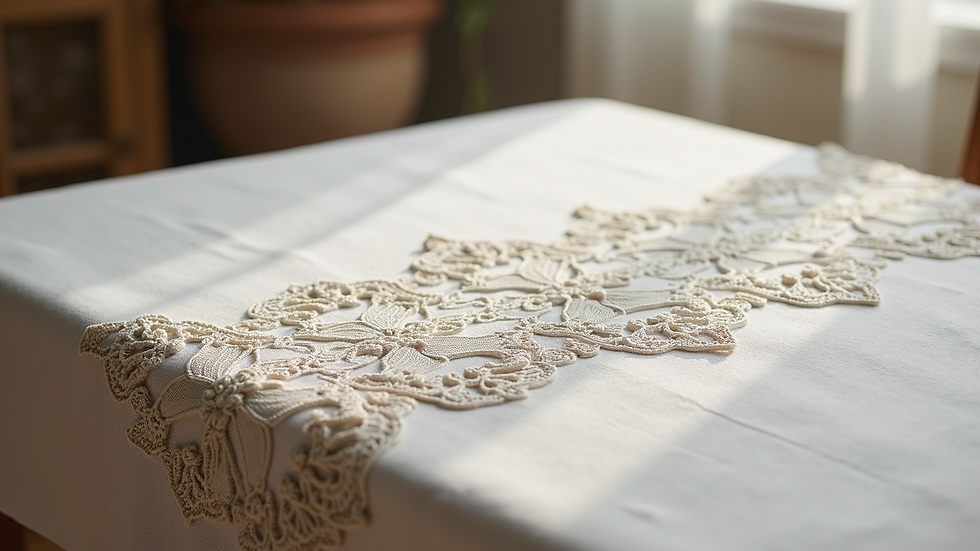
Handcrafted embroidery can also enhance your dining experience. Use embroidered tablecloths, napkins, or placemats to add elegance to your table setting.
Choose designs that match the occasion. For a casual dinner, go for simple patterns. For formal events, opt for intricate designs.
4. Curtains
Embroidered curtains can add a touch of sophistication to any room. They can soften the light and create a cozy atmosphere.
You can either buy ready-made embroidered curtains or embellish plain ones with your own designs.
5. Personalized Gifts
Handcrafted embroidery makes for thoughtful gifts. You can create personalized items like monogrammed towels or embroidered bags.
These gifts show that you put time and effort into making something special.
The Benefits of Handcrafted Embroidery
Incorporating handcrafted embroidery into your home decor has several benefits:
Uniqueness: Each piece is one-of-a-kind. You won’t find anything exactly like it in stores.
Personal Touch: Handcrafted items reflect your personality and style. They make your home feel more inviting.
Sustainability: Many handcrafted items are made from natural materials. This makes them a more eco-friendly choice compared to mass-produced decor.
Connection to Tradition: Embroidery connects you to a rich history and tradition. It allows you to appreciate the craftsmanship involved in creating each piece.
Tips for Getting Started with Handcrafted Embroidery
If you are new to embroidery, here are some tips to help you get started:
Choose the Right Materials: Start with a simple fabric like cotton or linen. Use embroidery floss or yarn that is easy to work with.
Start Small: Begin with small projects like bookmarks or coasters. This will help you build your skills without feeling overwhelmed.
Follow Tutorials: There are many online tutorials and videos available. These can guide you through different techniques and projects.
Practice Patience: Handcrafted embroidery takes time. Don’t rush the process. Enjoy each stitch as you create something beautiful.
Finding Inspiration
Inspiration can come from many places. Here are some ideas to spark your creativity:
Nature: Look at flowers, leaves, and landscapes. Nature often provides beautiful patterns and colors.
Art: Visit galleries or browse online art collections. You can find designs that resonate with you.
Culture: Explore different cultures and their embroidery styles. This can give you new ideas and techniques to try.
Social Media: Platforms like Instagram and Pinterest are great for finding inspiration. Follow embroidery artists and save your favorite designs.
The Joy of Creating
Creating handcrafted embroidery is not just about the final product. It is also about the joy of making something with your own hands.
As you stitch, you can relax and unwind. It can be a meditative practice that allows you to express your creativity.
Bringing It All Together
Handcrafted embroidery is a beautiful way to elevate your home decor. It adds a personal touch and showcases your unique style.
Whether you choose to create your own pieces or buy from artisans, the impact of embroidery in your home can be profound.
By incorporating different techniques and designs, you can transform your space into a reflection of who you are.

As you explore the world of handcrafted embroidery, remember to enjoy the process. Each stitch is a step towards creating a home that feels uniquely yours.
So, gather your materials, find your inspiration, and start stitching. Your home decor will thank you for it.

Comments